
Penrith doesn’t shout about its history the way some towns do. There are no guided bus tours or heritage theme parks. Instead, you’ll find a working market town with nearly a thousand years of history woven quietly into its streets, stones, and stories. At the heart of it all stands Penrith Castle — a dramatic ruin in the middle of town that tells a tale of border warfare, royal ambition, and the turbulent history of England’s far north.
If you’re staying at our holiday cottages near the Lake District, Penrith is your nearest town and well worth a proper explore.
Penrith Castle
History
Penrith Castle was originally built in the late 14th century as a defence against Scottish raids — this was wild border country, and Penrith was repeatedly attacked and burned during the medieval period. The castle was expanded in the 15th century by Richard Neville, Earl of Warwick (the famous “Kingmaker”), and later by Richard, Duke of Gloucester — who would become Richard III.
By the 16th century, the castle had fallen out of use and gradually crumbled. What remains today is an atmospheric ruin: red sandstone walls, arched windows, and the outline of the great hall and towers. It’s managed by English Heritage and is free to visit year-round.
Visiting Today
The castle ruins sit in Castle Park, right next to Penrith railway station. It’s a lovely spot for a wander — the park is well maintained with benches, and children enjoy clambering around the old walls (carefully). There’s an information board explaining the castle’s history, but otherwise it’s refreshingly uncommercialised. You can walk around the entire ruin in about 15 minutes, though it’s the kind of place where you might linger longer, imagining what it looked like when Richard III stood where you’re standing.
Address: Castle Park, Penrith CA11 7HZ
Admission: Free
Opening: Dawn to dusk, year-round
Parking: Penrith town centre car parks nearby (pay and display)
Exploring Penrith Town Centre
The Market Square and Musgrave Monument
Penrith’s market square has been the centre of town life for centuries. The Musgrave Monument — a tall clock tower — stands in the middle, erected in 1861 in memory of Philip Musgrave. Markets are held here on Tuesdays (general market) and Saturdays, and the square is surrounded by independent shops, cafes, and pubs. It’s a proper market town centre, not a tourist creation.
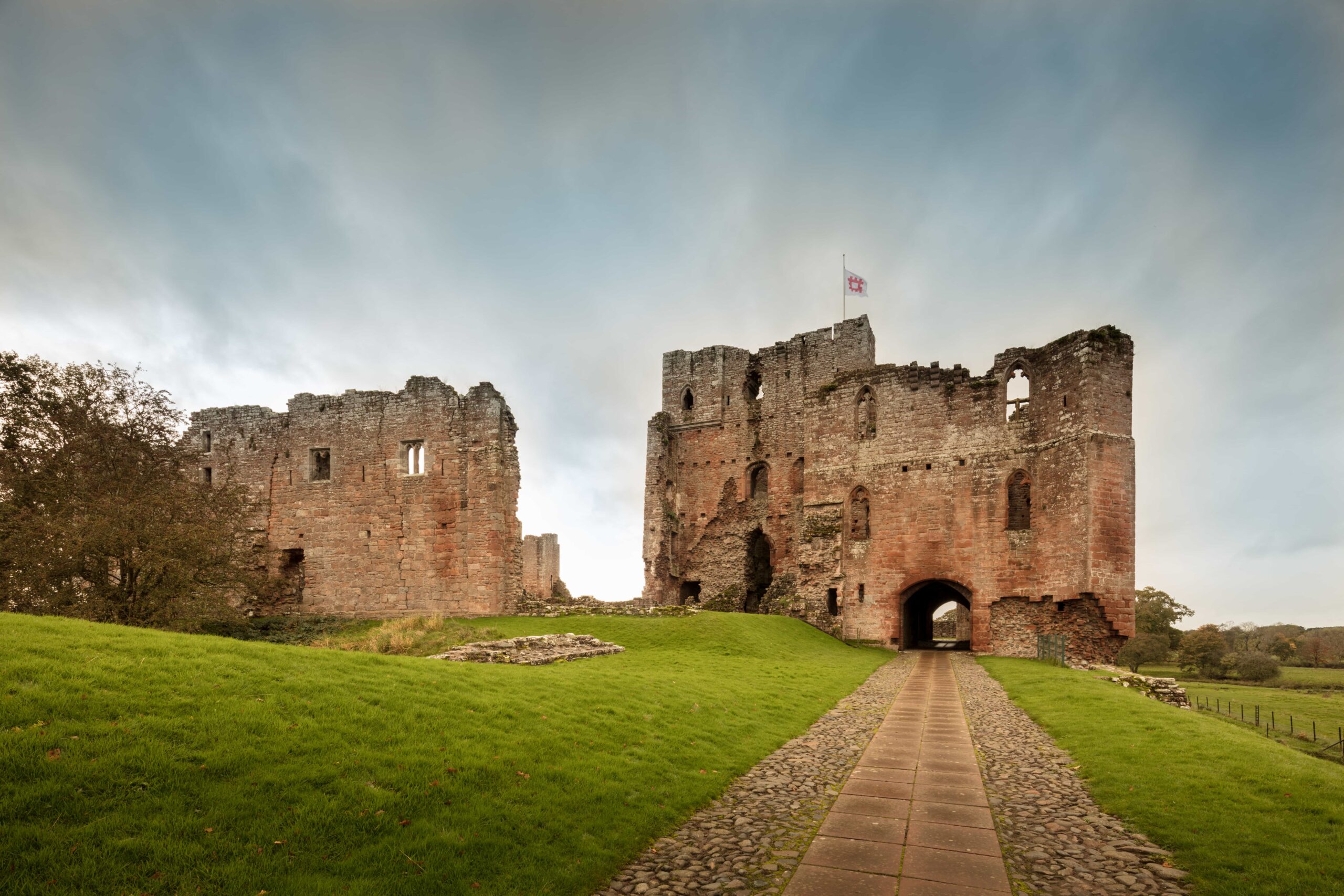
Address: Brougham, Penrith CA10 2AA
Admission: Adults approximately £7 (English Heritage members free)
Mayburgh Henge and King Arthur’s Round Table
These two prehistoric sites sit just outside Eamont Bridge, practically next door to Rittson Cottage. Mayburgh Henge is a striking Neolithic monument — a circular bank made entirely of river cobbles, with a single standing stone in the centre. King Arthur’s Round Table (despite the name, it’s nothing to do with Arthur) is a second henge just across the road. Both are free to visit and wonderfully atmospheric. They’re among the most important prehistoric sites in the north of England.
Lowther Castle
About 5 miles south of Penrith, Lowther Castle is a romantic Gothic ruin set in beautiful grounds. The castle gardens have been restored and are open to visitors, with adventure playgrounds, a cafe, and woodland walks. It’s an excellent family day out. The estate also runs the George and Dragon pub in Clifton, one of the best restaurants in the area.
Getting to Penrith from Our Cottages
Penrith is about a 10-minute drive from Fern Cottage and Maple Cottage in Great Strickland, and about 5 minutes from Rittson Cottage in Eamont Bridge. There’s ample car parking in the town centre, with the main car parks on Bluebell Lane and Southend Road.
Looking for somewhere to stay?
Our self-catering cottages near Penrith are the perfect base for exploring the Lake District and Eden Valley. Book direct for the best price.